
Sensory Play Ideas for Toddlers: Fun, Simple, and Super Engaging Activities
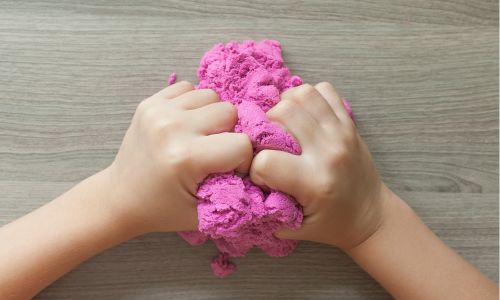
Sensory play ideas for toddlers. As parents, we know that toddlers are full of energy, curiosity, and—let’s be honest—a fair bit of chaos. But with that, they’re also at a wonderful stage in life where they’re soaking up everything around them like little sponges. One of the most enjoyable ways to help toddlers learn and explore is through sensory play.
You might be wondering, “What exactly is sensory play, and how can it help my toddler?” Great question! Sensory play involves activities that stimulate a child’s senses—touch, sight, smell, taste, and hearing—and it’s not just about keeping them busy. Sensory play helps develop fine motor skills, boosts cognitive development, and enhances communication abilities. Plus, it’s a ton of fun!
Ready to dive into some easy, practical sensory play ideas for toddlers? Let’s get started!
Why Sensory Play is Essential for Toddlers
Before we jump into activities, let’s take a quick look at why sensory play is so important for toddlers. Their brains are growing faster than we can keep up with, and sensory experiences help build pathways in their brains that are crucial for their emotional, physical, and cognitive development.
When toddlers engage in sensory activities, they’re not just playing—they’re learning how to navigate the world around them, solve problems, and express themselves. It’s through these play experiences that they start to understand cause and effect, improve their hand-eye coordination, and develop social skills.
In short, sensory play gives your toddler the tools they need to make sense of their world. It also builds confidence, helps with emotional regulation, and fosters creativity.
Fun and Easy Sensory Play Ideas for Toddlers
Here are five simple sensory play ideas for toddlers that you can set up in just minutes. No complicated instructions, just lots of fun!
Frozen Treasure Hunt
Materials: A large container or tub, water, small toys or objects, and a freezer.
Here’s a sensory activity that’s perfect for a hot day or when you want to engage your toddler’s senses in a new way. Fill a container with water and add small toys like plastic animals, dinosaurs, or beads. Freeze it overnight. The next day, let your toddler “dig” their way through the ice to find the hidden treasures.
Why it works: This activity not only engages your toddler’s sense of touch (cold versus warm) but also helps them practice fine motor skills as they use spoons, brushes, or their hands to break the ice. Plus, it’s a great way to introduce problem-solving: “How can we get these toys out?”
Water Play with Funnels and Containers
Materials: A shallow tub or basin, water, various containers, and funnels.
Water play is a classic sensory activity that never gets old. Set up a small water station for your toddler using a shallow tub, some funnels, and plastic containers of different sizes. Let your toddler pour, scoop, and transfer water from one container to another.
Why it works: Water play allows toddlers to explore textures and temperatures, while also developing their hand-eye coordination and fine motor skills. The act of pouring and scooping strengthens their hand muscles, preparing them for later tasks like drawing and writing.
Sensory Bins with Rice or Pasta
Materials: Uncooked rice or pasta, small toys, spoons, and bowls.
If you’re looking for an activity that’s quick to set up and will entertain your toddler for a good stretch of time, try creating a sensory bin. Fill a shallow container with uncooked rice or pasta (or both!) and hide small toys inside. Add scoops, cups, or spoons for extra fun, and let your toddler explore the textures of the rice or pasta with their hands.
Why it works: This activity introduces toddlers to a new texture, which helps build their sensory awareness. It also provides a great opportunity to practice fine motor skills as they scoop, pour, and sift the rice or pasta, all while having a blast!
Smelly Playdough Fun
Materials: Homemade or store-bought playdough, essential oils (like lavender, lemon, or peppermint), or spices like cinnamon.
Playdough isn’t just for making shapes and figures—it’s a perfect sensory activity for engaging multiple senses! To mix things up, add a few drops of essential oil or spices to the dough to create a fun, aromatic experience. Your toddler will love squishing and rolling the dough, all while getting a whiff of those delightful smells.
Why it works: This playdough activity provides sensory input through touch and smell. The act of kneading, rolling, and shaping the dough helps toddlers develop their hand strength, which is critical for later tasks like writing. The added scent introduces another layer of sensory play, supporting sensory processing development.
Sound Shaker Exploration
Materials: Empty plastic bottles or containers, rice, beads, or dried beans, tape.
Here’s a simple, no-fuss sensory activity that will keep your toddler engaged while helping them explore sound. Fill empty plastic bottles with different materials (like rice, beans, or beads) and tape the lids shut. Let your toddler shake the bottles and listen to the different sounds.
Why it works: This activity introduces your toddler to auditory sensory experiences, allowing them to practice cause and effect by shaking the bottles and hearing different sounds. It also builds their understanding of sound as a sensory input and gives them a great chance to practice their grip and coordination.
More Ideas for Sensory Play
If you’re looking for even more sensory play ideas for toddlers, here are a couple of additional activities you can try:
- Touch and Feel Bags: Fill fabric bags with various objects (like soft feathers, bumpy stones, or smooth fabric). Let your toddler reach inside and guess what’s in the bag based on the texture.
- Nature Walk Exploration: Take a walk outside and gather things like leaves, flowers, rocks, and sticks. At home, let your toddler touch and examine the items, exploring the different textures, colors, and shapes.
Sensory play ideas for toddlers are not only fun but also incredibly beneficial for their development. Through these simple activities, your toddler will explore new textures, sounds, and scents, all while improving their fine motor skills, creativity, and cognitive abilities.
The best part? You don’t need to spend a lot of money or time setting up complicated projects. Many of the best sensory play activities involve things you already have around the house. So, go ahead—try one (or more!) of these sensory play ideas with your toddler today. You might just find that they’re not the only ones having fun!


A home away from home, a place where the teachers love your kids as if they were their own. Fuelled by quality education and unconditional love, The Pebblestone’s Staff are passionate about laying a strong foundation in a child’s life.
Our Gallery


